Menstrual Cup: A Comprehensive Guide
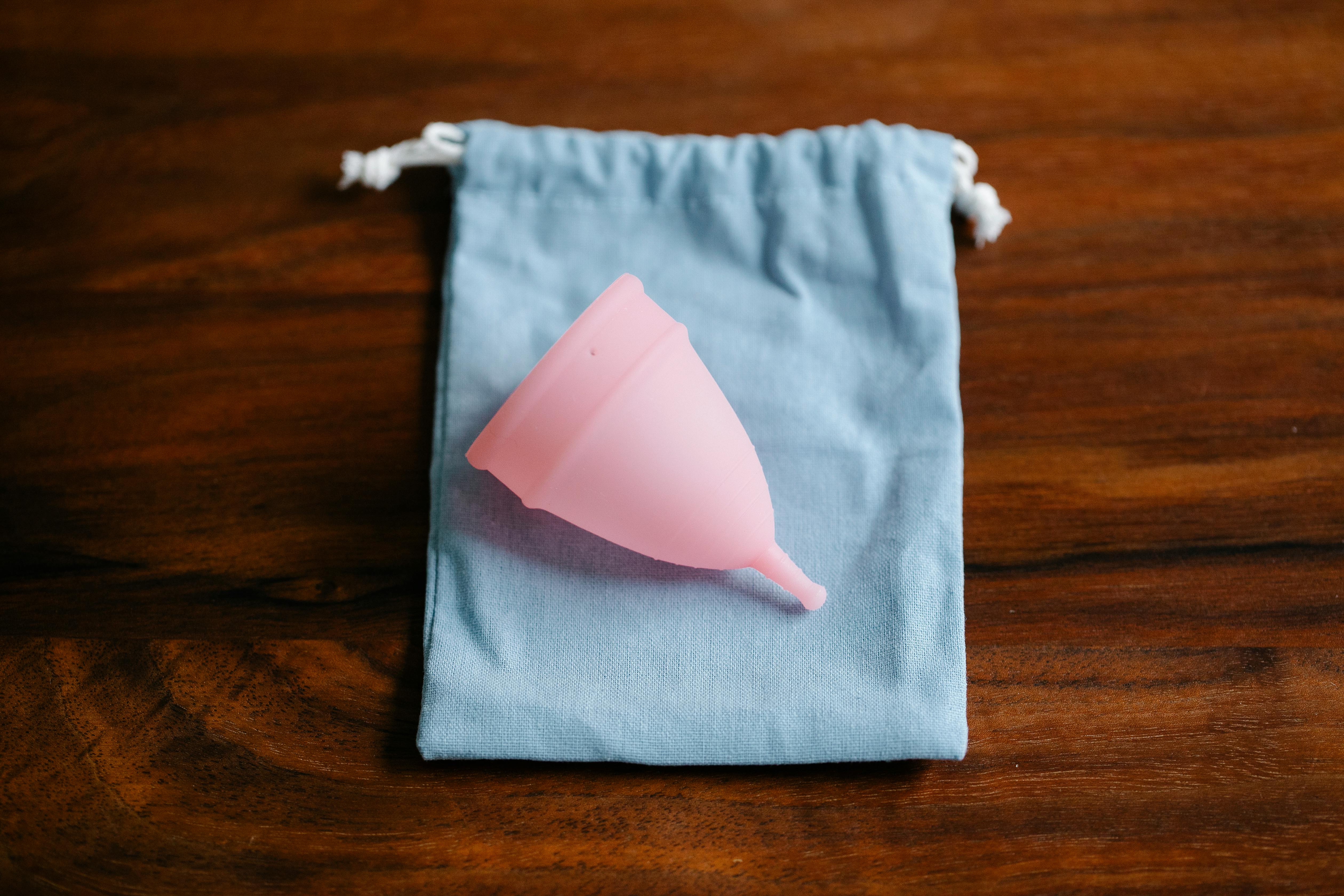
A menstrual cup is a reusable menstrual hygiene device designed to be inserted into the vagina during menstruation to collect, rather than absorb, menstrual fluid. It is an increasingly popular alternative to traditional products such as sanitary pads and tampons.
Materials and Design
Menstrual cups are typically made from medical-grade elastomers, including silicone, natural rubber (latex), or thermoplastic elastomers. These materials are flexible, durable, and safe for internal use. The cup forms a gentle seal against the vaginal walls, preventing leaks when properly positioned.
Usage and Duration
Depending on the individual’s menstrual flow and the cup’s capacity, a menstrual cup can be worn for 4 to 12 hours at a time. After removal, it should be emptied, rinsed, and reinserted. At the end of each menstrual cycle, the cup must be thoroughly cleaned, usually by boiling or sterilizing according to manufacturer instructions.
Longevity and Cost-Effectiveness
One of the key advantages of menstrual cups is their durability. A single cup can last up to 10 years with proper care, making it a cost-effective option compared to disposable pads and tampons. Over time, this significantly reduces menstrual hygiene expenses.

Environmental Impact
Because menstrual cups are reusable, they generate substantially less waste than disposable menstrual products. This makes them an environmentally friendly choice for menstrual management.
Comfort and Lifestyle Compatibility
When inserted correctly, menstrual cups are generally comfortable and secure. Users can engage in a wide range of activities while wearing a cup, including:
- Sleeping
- Swimming
- Running
- Cycling
- Gymnastics
- Weightlifting
- Daily activities such as urination and bowel movements

Leakage rates are reported to be similar to or lower than those of pads and tampons.

Learning Curve
First-time users may find insertion and removal challenging or uncomfortable. However, with practice, most individuals become comfortable within 3 to 4 menstrual cycles. Choosing the correct size and learning proper placement techniques are essential to improving comfort and preventing leakage.

Safety
Menstrual cups are considered a safe alternative to traditional menstrual products. The risk of infections, including toxic shock syndrome (TSS), is low and comparable to or lower than that associated with tampons and pads, provided proper hygiene practices are followed.

Conclusion
Menstrual cups offer a sustainable, economical, and effective solution for menstrual hygiene management. While there may be an initial adjustment period, many users find them to be a convenient and reliable long-term option.